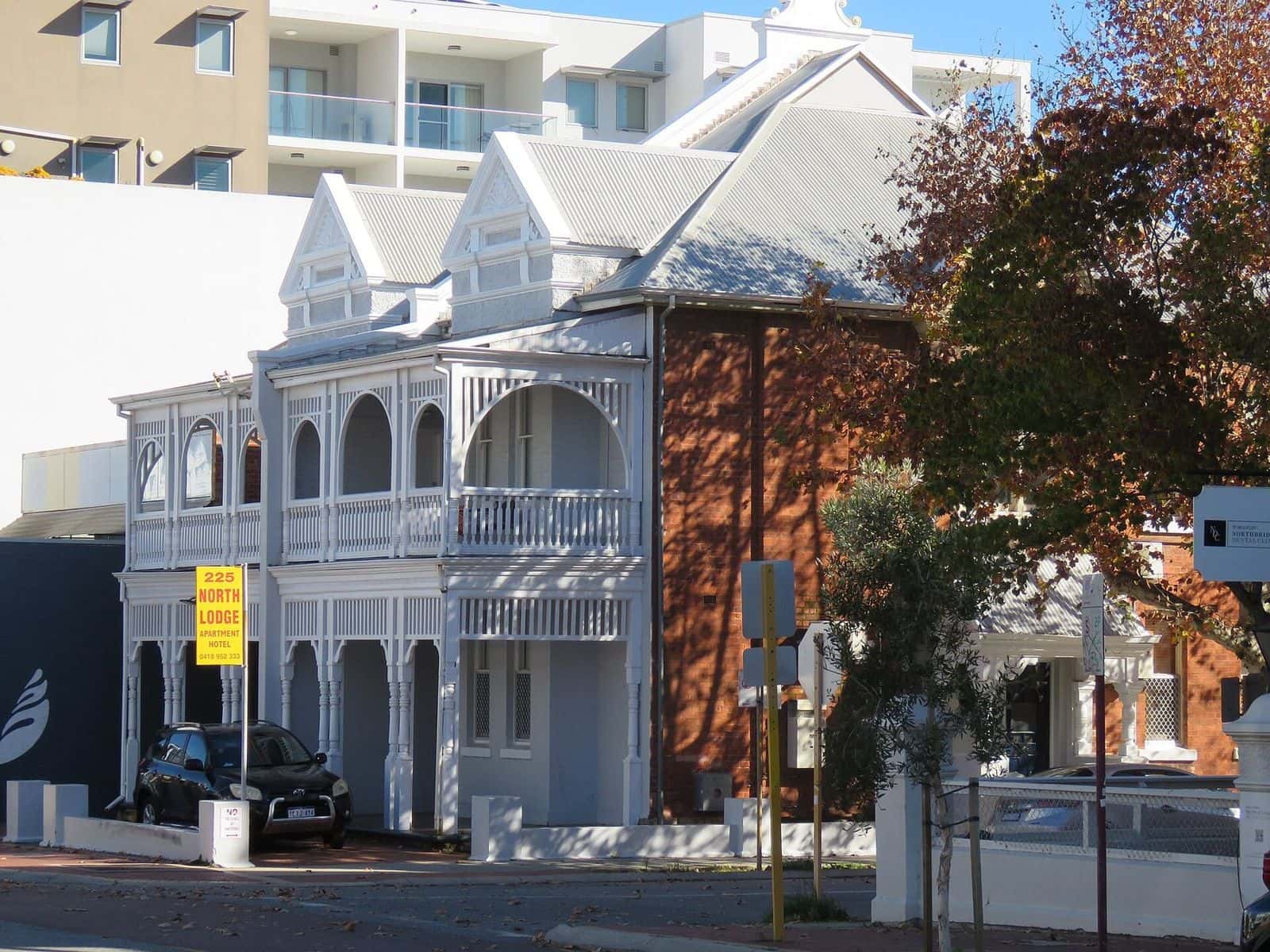
Walk Beaufort Street with an eye for detail and you can read more than a century of Perth history in its parapets, verandahs and shopfronts. This hub summarises the street’s story and links to our in-depth heritage guides.
Before the street
The land Beaufort Street crosses lies within a chain of seasonal wetlands that were, and remain, important to the Whadjuk Noongar people. The City of Vincent notes two registered Aboriginal heritage sites near Highgate: Yoordogoorading (Stone’s Lake, now the site of Perth Oval) and Boodjamooling (Hyde Park). Colonist James Kennedy later recalled seeing hundreds of Noongar people camped at the Third Swamp, now Hyde Park, in the 1850s and 1860s. After colonisation most of these wetlands were drained or filled.
Gold-rush boom
The 1890s gold rushes transformed Perth. Rural land close to the city was subdivided for housing. In Highgate, the Mount Heart Estate was released in 1892, centred on land that became a Catholic precinct around the Sacred Heart Church. Schools, a police station (1897) and a synagogue (1897) followed. According to the City of Vincent, the Queens Hotel was built in 1897 as a private residence for boot manufacturer John Andew Gent and leased as a hotel from 1898. Third Swamp, which had been used as a tent city for gold-rush arrivals, was gazetted as a public park in 1897 and became Hyde Park.
The tram street
In 1900 the Perth Electric Tramway extended along Beaufort Street, and commercial strips quickly followed. By 1905, the section between Chatsworth and Mary streets had a chemist, baker, bookseller, draper, butcher, bootmaker and more. In Mount Lawley, proclaimed in 1901, developers extended the tram along Walcott Street and sold off the estates that became today’s leafy streets.
Between the wars
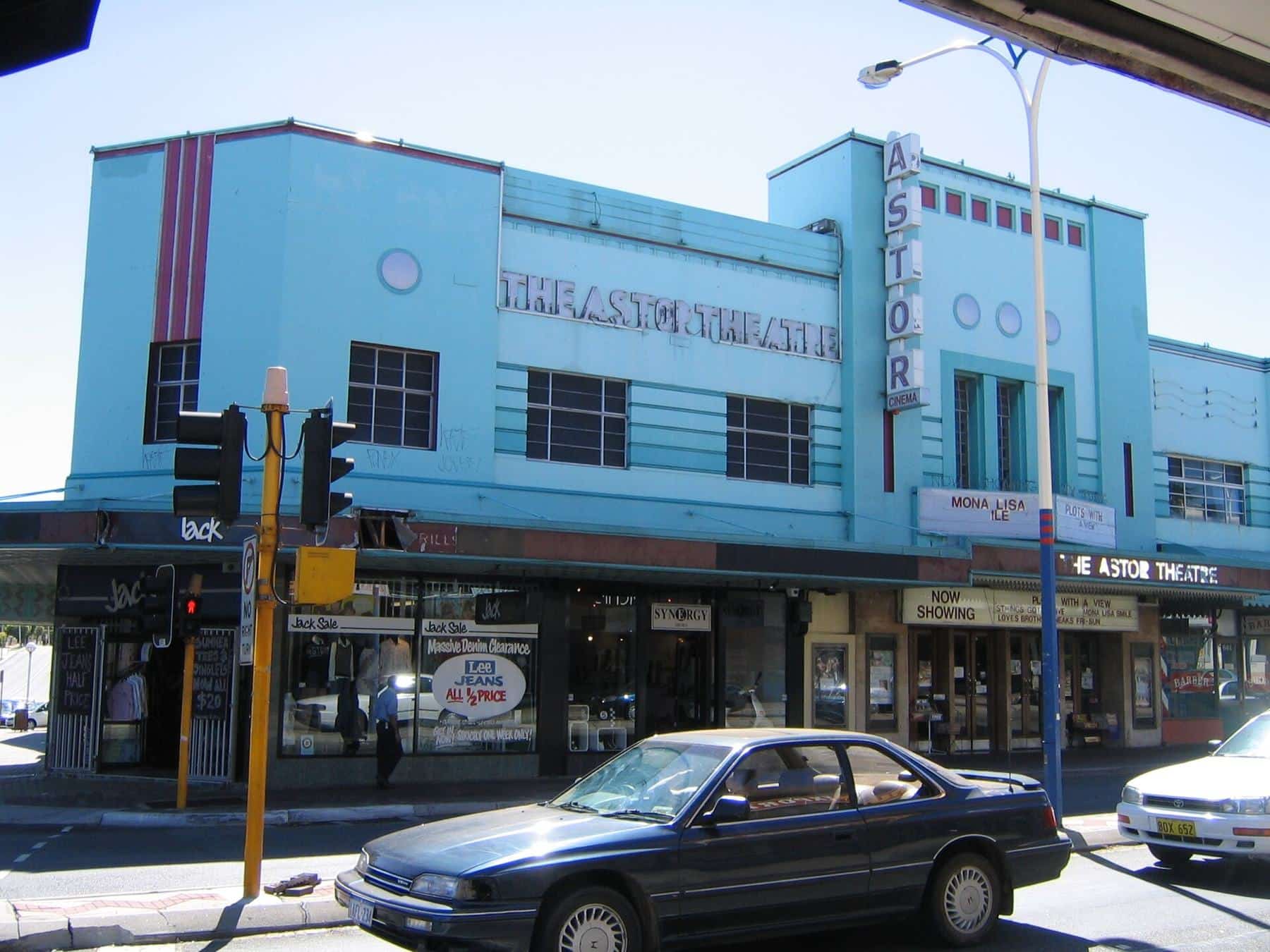
The 1930s brought Art Deco to the street. The Lyceum Theatre, built in 1914–15, was remodelled in 1939 and renamed the Astor in 1941. Flats such as the Waihemo Flats at 686 Beaufort Street, and commercial buildings like the 1934 Clarke Building at 639 Beaufort Street, gave Mount Lawley its Deco character. Read the Astor Theatre guide.
Post-war change
After the Second World War, migrants from Italy, Greece, Croatia, Poland and elsewhere settled in Highgate and Mount Lawley. Beaufort Street was lined with corner stores, furniture makers, garages and workshops. Car culture and suburban shopping centres hit small traders, and television hit cinemas. The Astor declined and, by the late 1970s and 1980s, faced demolition.
Revival
The refurbishment of the Queens Hotel in 1986 and the restoration of the Astor in 1989 helped reinvent Beaufort Street as a café and restaurant precinct. In 2009 the Beaufort Street Network, described by the City of Vincent as Western Australia’s first “town team”, formed to promote the street, and it ran the Beaufort Street Festival from 2010. Read our festival history.
Heritage guides
Heritage spotting checklist
0 of 7 done
Ticks are saved in this browser only.
Researching further
The City of Vincent Local History Centre in Leederville holds photographs, maps and oral histories, and its online image gallery is a treasure trove. The State Heritage Office’s inHerit database lists heritage places with detailed documentation. Trove, the National Library’s digitised newspapers, records the street’s day-to-day history.
Researching further
The City of Vincent Library & Local History Centre in Leederville and the City of Stirling Art and History Collection hold photographs, maps and records of the Beaufort Street suburbs. The State Library of Western Australia and Trove are good places to search for newspapers and images.
Guides in this section
Heritage
The Astor Theatre, Mount Lawley
The Astor Theatre on Beaufort Street: built 1914–15 as the Lyceum, remodelled in Art Deco style in 1939, restored in 1989. History and visiting tips.
Read · 4 min
Heritage
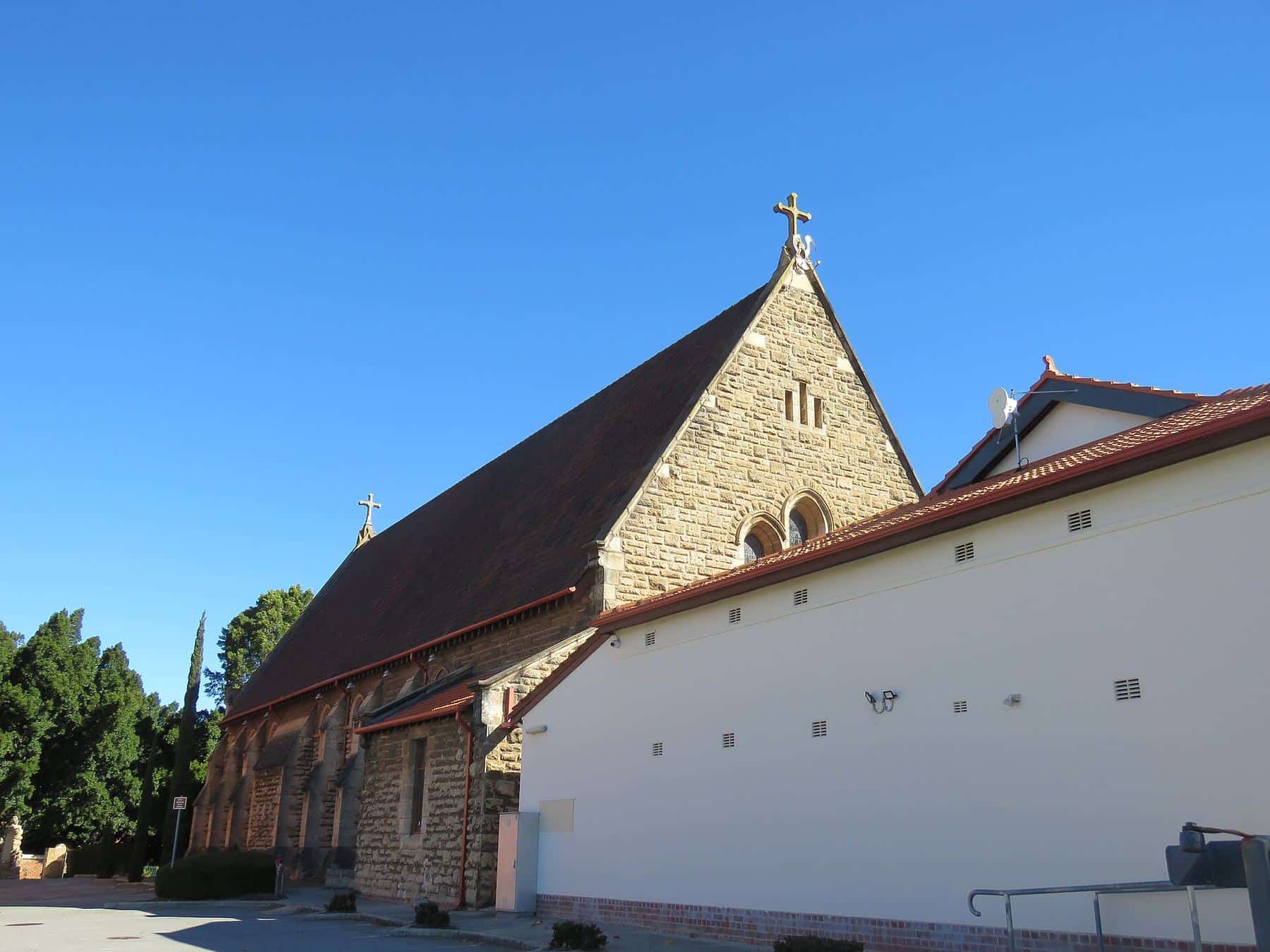
Heritage buildings of Beaufort Street
A field guide to Beaufort Street’s heritage: 1890s terraces, the Queens Hotel, Sacred Heart, the Astor, Art Deco flats and lost landmarks.
Read · 4 min
Parks
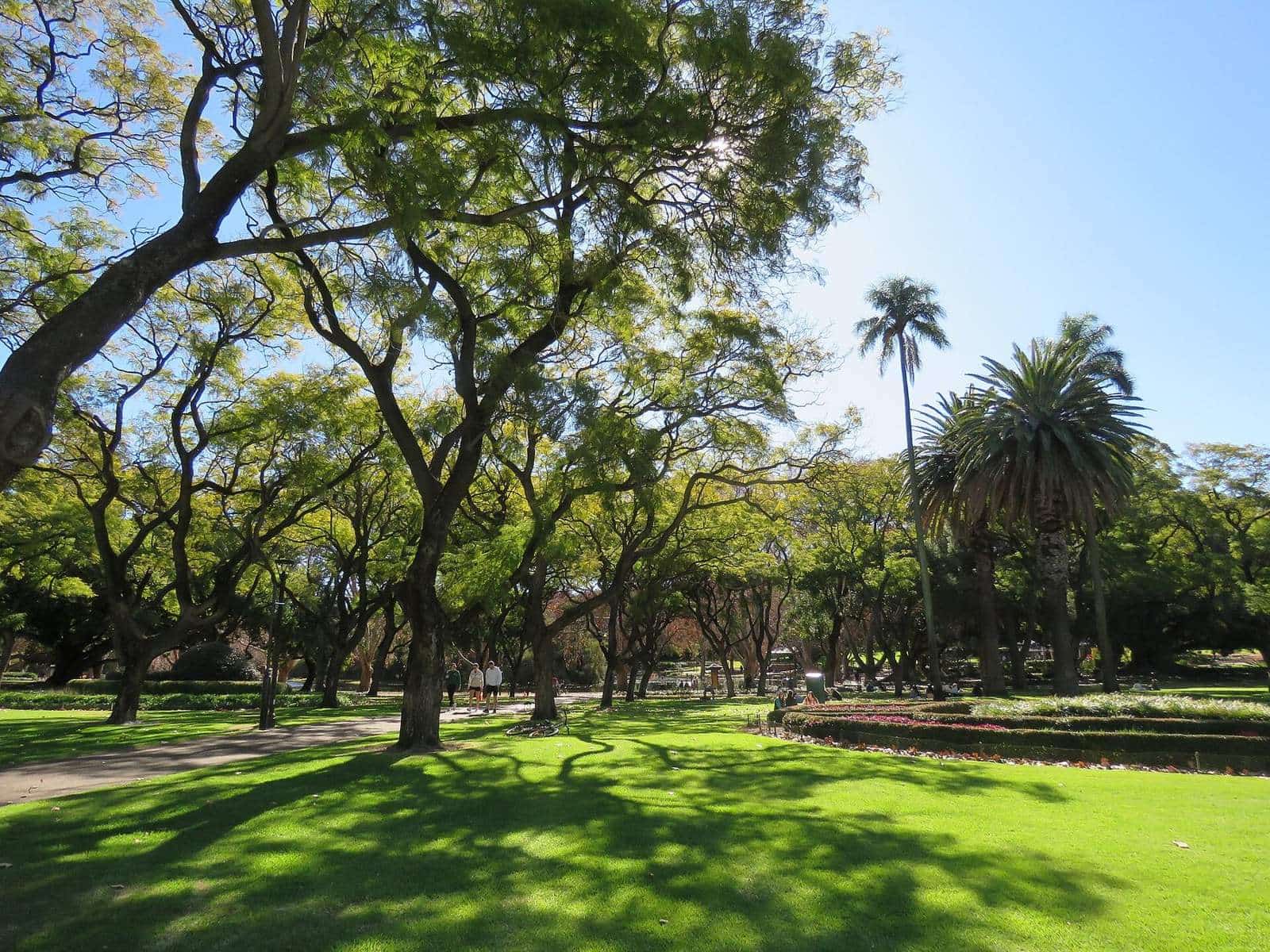
Hyde Park, Beaufort Street’s green backyard
Hyde Park near Beaufort Street: its Noongar name Boodjamooling, 1897 gazettal, 1913 lake islands, facilities, dog rules and parking.
Read · 4 min
Frequently asked questions
When did trams run on Beaufort Street?
According to the City of Vincent’s local history, the Perth Electric Tramway extended its route along Beaufort Street in 1900, which hastened development of Highgate and Mount Lawley. Perth’s trams were later replaced by buses.
What are the oldest buildings on Beaufort Street?
Among the oldest surviving buildings are 1890s structures, including Federation terrace houses on the city stretch and the Queens Hotel in Highgate, built in 1897 as a private residence.
Is the Astor Theatre heritage-listed?
Yes. The Astor was classified by the National Trust in 1988 and entered on the State Register of Heritage Places in 1999.
Where can I see old photographs of Beaufort Street?
The City of Vincent Local History Centre has online image galleries for Highgate and Mount Lawley, and the State Library of Western Australia and the City of Stirling Art and History Collection hold more historic photographs.
Sources and further reading
Facts on this page were checked against these primary and official sources. Conditions change — confirm before you travel or buy.
- Highgate history — City of Vincent Library & Local History Centre
- Mount Lawley history — City of Vincent Library & Local History Centre
- Astor Theatre (State Register) — WA State Heritage Office — inHerit
- Perth trams — Perth Electric Tramway Society