Highgate is the first neighbourhood you reach as Beaufort Street climbs away from the city. It is small, roughly the blocks between Lincoln Street and Walcott Street, but it packs in more than a century of history: Noongar camping grounds, gold-rush subdivisions, a Catholic precinct, a famous corner pub and a dining strip that helped put Beaufort Street on Perth’s map.
1874
Named Highgate Hill
By Charles Crossland
1897
Queens Hotel built
Licensed from 1898
1900
Trams on Beaufort
Spurred development
Before the suburb
Long before streets were surveyed, the land around Highgate was part of a chain of wetlands and lakes used by the Whadjuk Noongar people. The City of Vincent notes that nearby Hyde Park, known as Boodjamooling, was an important camping, hunting and ceremonial site and is a registered Aboriginal site. Walking Highgate today, it is worth remembering that the gentle rise of Beaufort Street sits above a landscape of swamps and springs that sustained people for thousands of years.
Highgate Hill
According to the City of Vincent Local History Centre, the area was named Highgate Hill in 1874 by surveyor Charles Crossland, after his birthplace, the village of Highgate north of London. For two decades it remained thinly settled. Then the 1890s gold rushes brought a flood of people and money to Perth, and land along Beaufort Street was carved up for housing.
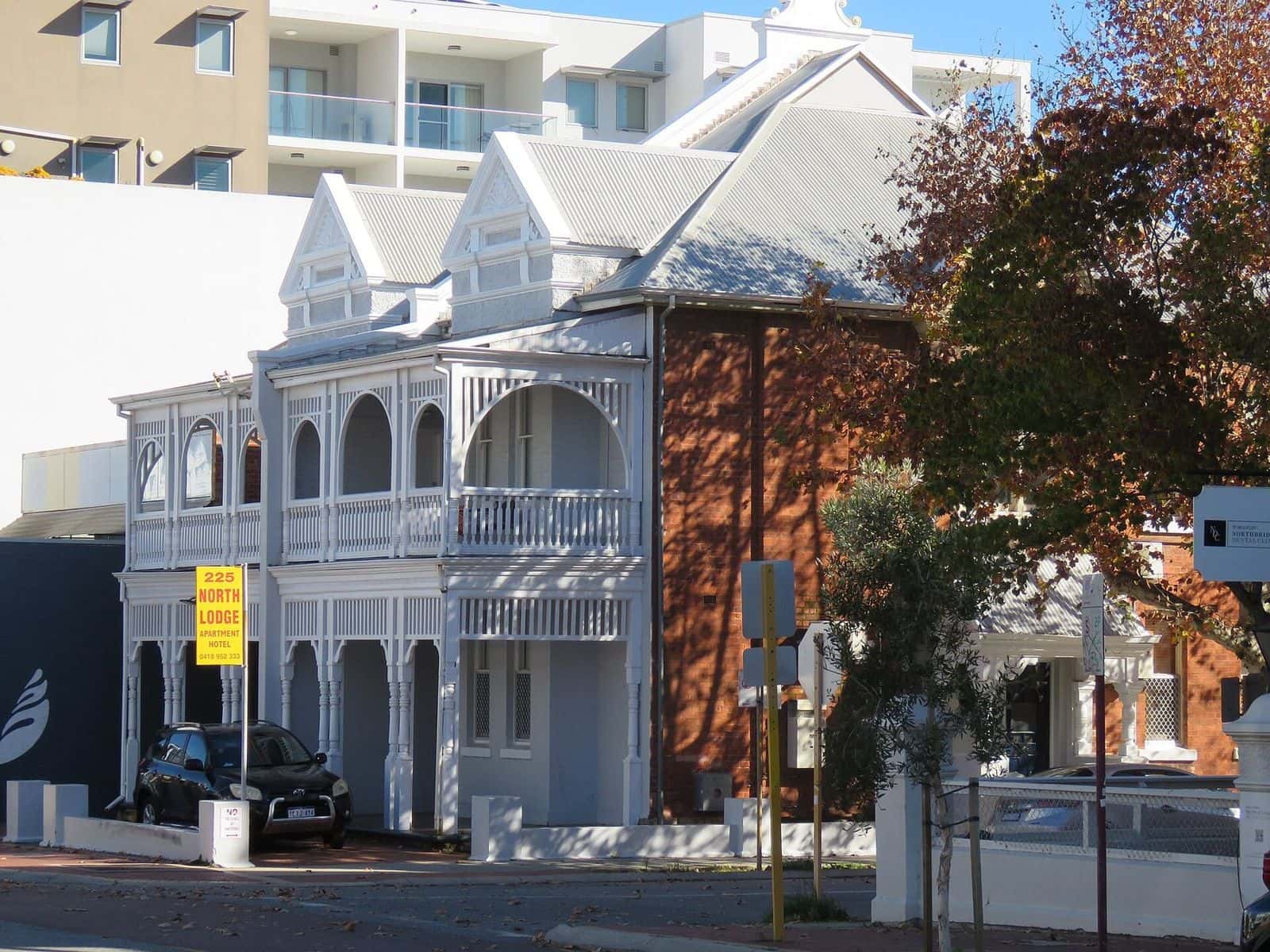
Estates such as the Mount Heart Estate, released in 1892, offered blocks to clerks, tradespeople and new arrivals. Many of the area’s timber and brick cottages, villas and terraces date from this boom. One surviving example is the row of terraces at 235–241 Beaufort Street, which date from 1897.
The tram arrives
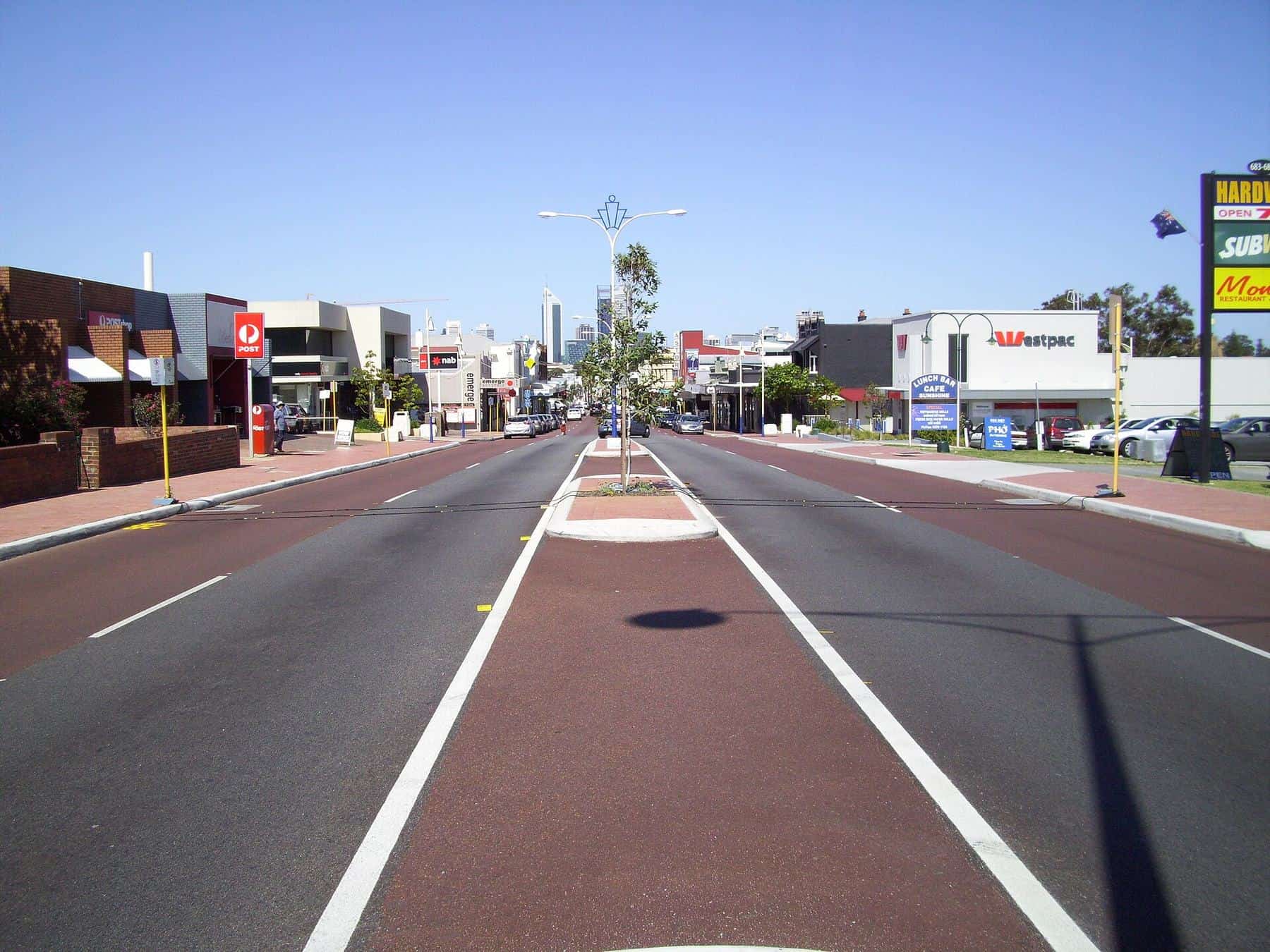
In 1900 a tram line began running along Beaufort Street. Public transport made Highgate an easy commute to the city and turned the street into a shopping strip, with butchers, grocers, drapers and banks lining the footpaths. The tram era lasted until the 1950s, but the pattern it set, shops at the street edge and housing behind, still defines Highgate.
Two landmarks: church and pub
Sacred Heart
The Catholic Church chose a site in Highgate in 1891, and the foundation stone of the Sacred Heart Church was laid in 1905. Its red-brick bulk and tower still dominate Mary Street, just off Beaufort Street. A school and convent grew around it, and the precinct remains an important part of local community life. Please be respectful if you visit during services.
The Queens Hotel
The Queens Hotel was built in 1897, originally as a private residence for boot manufacturer John Andrew Gent, and was leased as a hotel from 1898. It became one of the best-known pubs in the inner north and was refurbished in 1986. The building’s corner presence and balconies are a classic of Perth’s gold-boom hotels.
The Crow’s Nest and St Alban’s
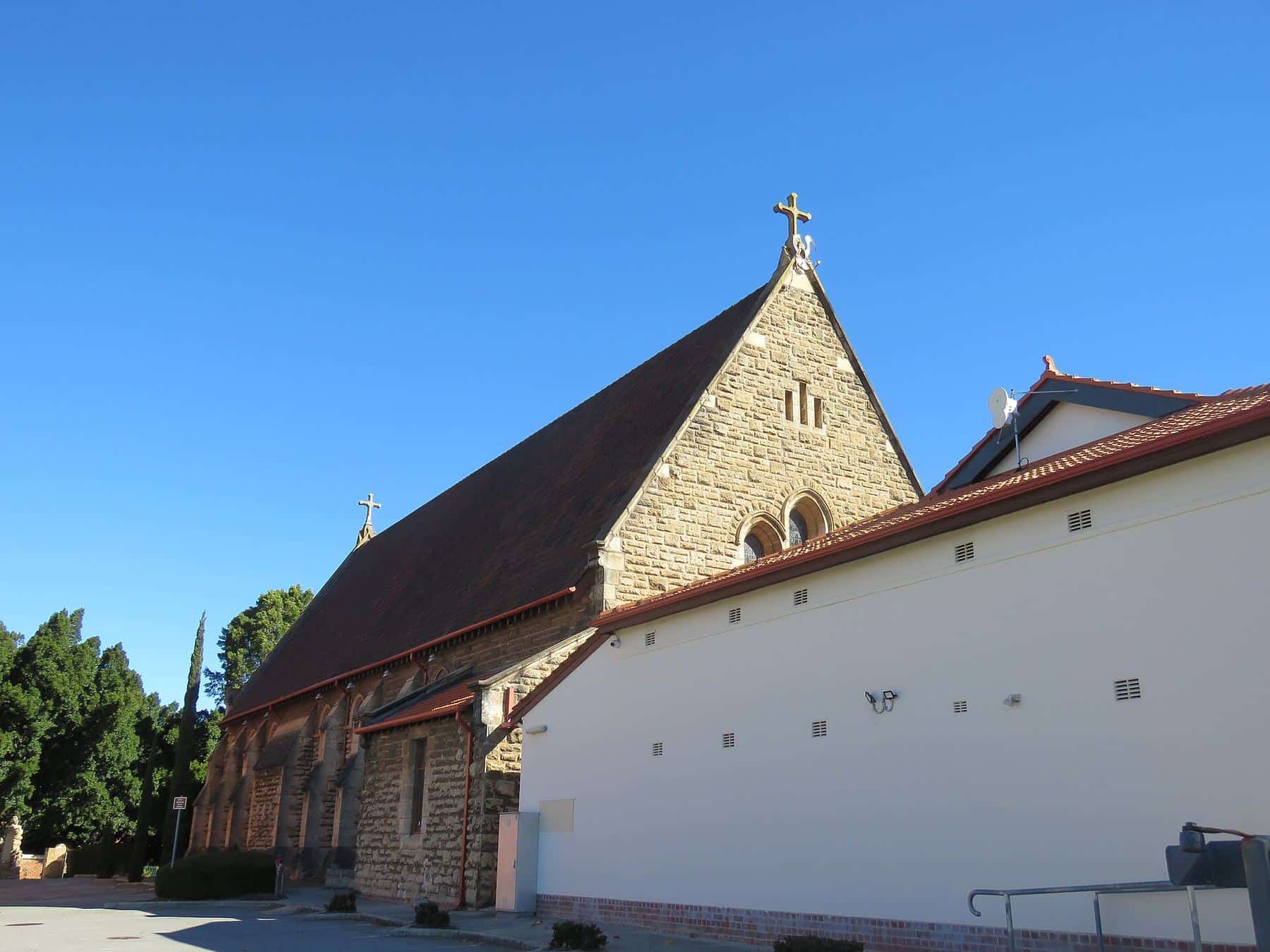
The City of Vincent’s history paints a vivid picture of early Highgate. In 1891 Beaufort Street was paved only a short way past the site of St Alban’s Church, at Beaufort and Lincoln streets, where open-air Anglican services had begun under a large gum tree in 1889. Beyond was bushland, and a tall tree with steps and a lookout, known as the Crow’s Nest, stood on what became Mary Street. It was a popular picnic spot until it was cut down in 1903. The Mount Heart Estate was also known as the Crow’s Nest Estate.
A diverse community
Highgate has always been mixed. An Orthodox synagogue opened in Brisbane Street in 1897, and Jewish families settled within walking distance. Highgate School opened on Lincoln Street in 1895, and in the 1930s a local paper described its students as "a veritable League of Nations". After the Second World War, migrants and refugees again settled here, close to workshops, factories and community institutions. The Census recorded 2,326 residents in 2021, with more than half of dwellings flats or apartments.
The Mary Street strip
From the 1990s onwards, Highgate’s shopfronts were taken over by cafés, wine bars and restaurants. The blocks around Mary Street became one of the busiest dining strips in Perth. Venues come and go quickly, so we don’t list specific businesses, but you can expect:
- casual cafés open for breakfast and lunch;
- small bars and wine bars;
- restaurants covering a wide range of cuisines;
- a couple of historic pubs.
Weekends are busy and bookings are wise for dinner.
Hyde Park
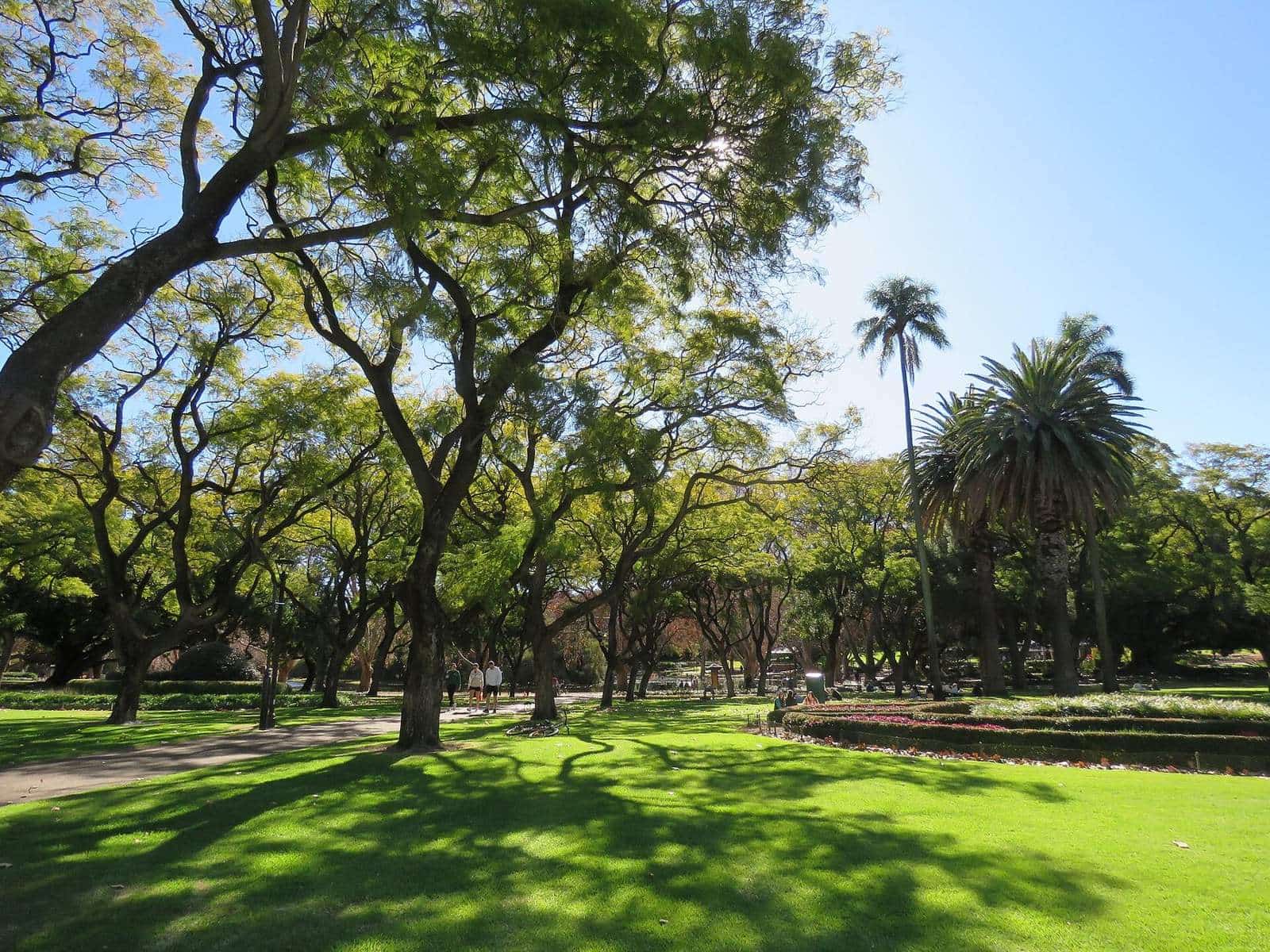
Hyde Park, a few minutes’ walk west of Beaufort Street, is Highgate’s backyard. It was gazetted as a public garden in 1897 and named in 1899, and the City of Vincent says its lake was dredged in 1913 to create two islands. It is a beautiful place for a picnic before dinner on Beaufort Street. See our Hyde Park guide.
Walking Highgate
A short loop from the Queens Hotel to Mary Street and back via Hyde Park takes in most of the neighbourhood. Look for:
- the Queens Hotel corner and its verandahs;
- the 1897 terraces at 235–241 Beaufort Street;
- the Sacred Heart Church and its tower;
- Federation shopfronts with original parapets;
- laneway murals behind the strip (see art);
- the plane trees and lakes of Hyde Park.
For the full route, use our walking tour.
Highgate checklist
0 of 6 done
Ticks are saved in this browser only.
Getting there
Highgate is about 2 km from the Perth CBD. Buses run along Beaufort Street, and it is a pleasant walk from Perth Station across the bridge over the rail lines. Street parking is time-limited; check the signs. See getting here.
Living in Highgate
Highgate is a desirable inner-city suburb with a mix of heritage homes, apartments and units. Its appeal lies in walkability: shops, parks, schools and public transport are all close by. Like Mount Lawley next door, it attracts people who want city access with a neighbourhood feel.
Heritage protection
Many buildings in Highgate are on the City of Vincent’s heritage list, and the State Register protects the most significant. If you are looking at a property, check its heritage status with the City of Vincent before planning alterations.
Highgate after dark
Highgate is busiest from Thursday to Saturday nights. Plan how you will get home: buses run late on some routes, and taxis and rideshare are widely used. Be considerate of residents in the side streets.
Continue the walk
Head north up the hill to Mount Lawley and the Astor Theatre, or south towards the city end of Beaufort Street.
Frequently asked questions
How did Highgate get its name?
The City of Vincent records that the area was named Highgate Hill in 1874 by Charles Crossland, after Highgate in London. The name was later shortened to Highgate.
What is Highgate known for?
Its 1890s and early 1900s heritage buildings, including the Sacred Heart Church and the Queens Hotel, its proximity to Hyde Park, and the cafés, bars and restaurants around Beaufort and Mary streets.
Which council looks after Highgate?
Highgate is within the City of Vincent.
Sources and further reading
Facts on this page were checked against these primary and official sources. Conditions change — confirm before you travel or buy.
- Highgate history — City of Vincent Library & Local History Centre
- Hyde Park — City of Vincent