Beaufort Street grew in stages, and each stage left buildings behind. This field guide lists the landmarks worth looking for, from south to north. Most are privately owned, so admire them from the footpath.
1897
Oldest highlights
Queens Hotel and terraces
1930s
Art Deco decade
The Astor, flats, shops
1999
Astor registered
State Register
How to read the street
- 1890s–1900s (gold boom): brick and timber terraces, cottages, corner hotels, parapeted shops.
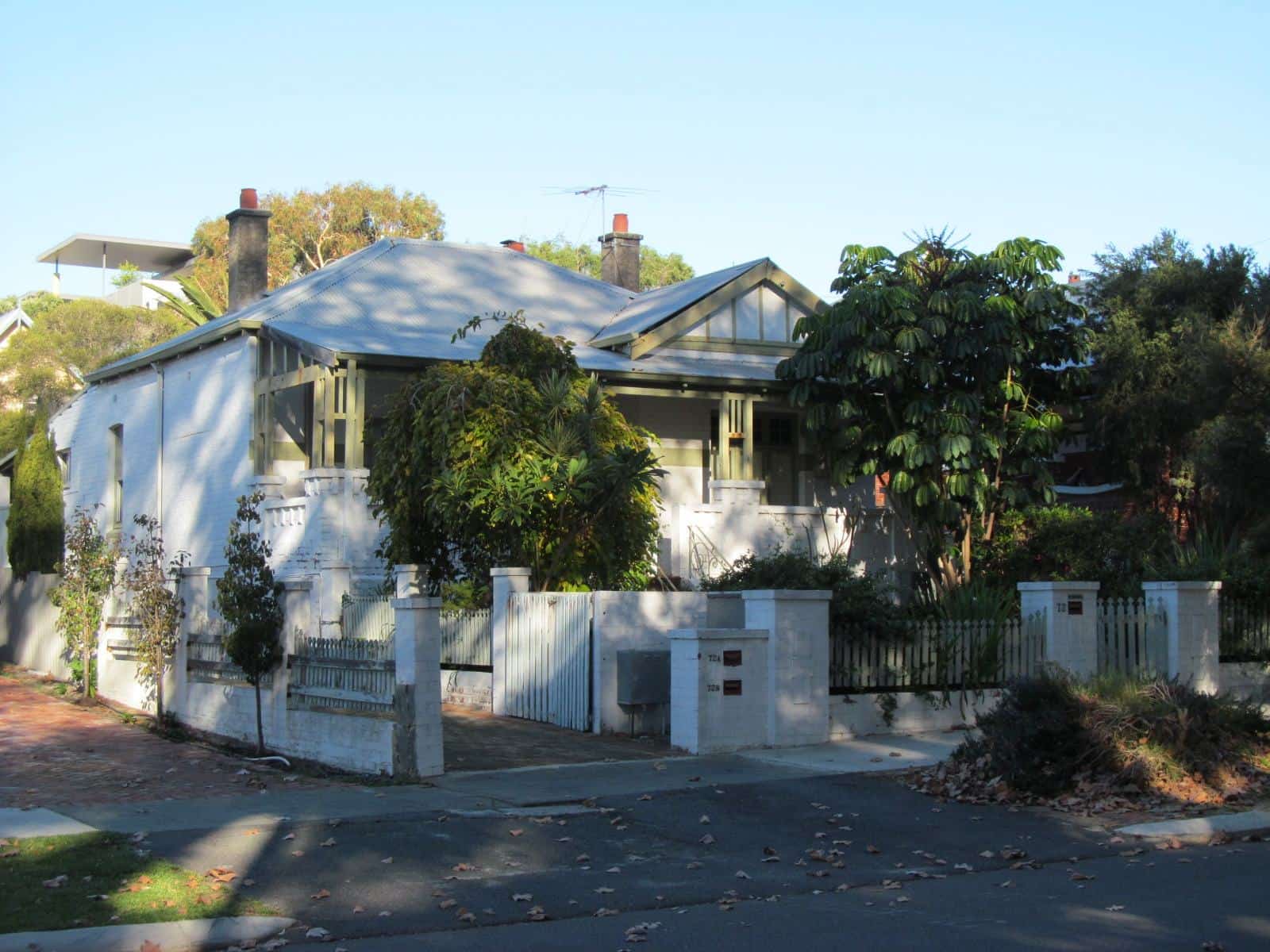
- 1900s–1910s (tram era): Federation shops with residences above, churches, villas.
- 1930s (Inter-War): Art Deco and Functionalist buildings with streamlined facades, flats and garages.
- Post-war onwards: infill shops, flats and apartments.
City end and Highgate
Terraces, 225–241 Beaufort Street
Rows of 1890s terraces survive near the city end. The terraces at 235–241 date from 1897, making them among the oldest buildings on the street. Terrace housing was common in 1890s Perth but much has since been demolished, which makes these survivors significant.
Bowra & O’Dea, 359 Beaufort Street
inHerit records that this building was purpose-built in 1937 as funeral directors’ offices, chapel and mortuary for Arthur E. Davies & Co. It was designed by architect Samuel Rosenthal in the Inter-War Functionalist style, bought by Bowra & O’Dea in 1978, and is on the State Register.
Queens Hotel
Built in 1897 and operating as a hotel from 1898, the Queens Hotel is a classic gold-boom corner pub. It was refurbished in 1986.
Sacred Heart Church
The site was chosen in 1891 and the foundation stone laid in 1905. The red-brick church with its tower is the centrepiece of the Catholic precinct on Mary Street.
St Alban’s Church
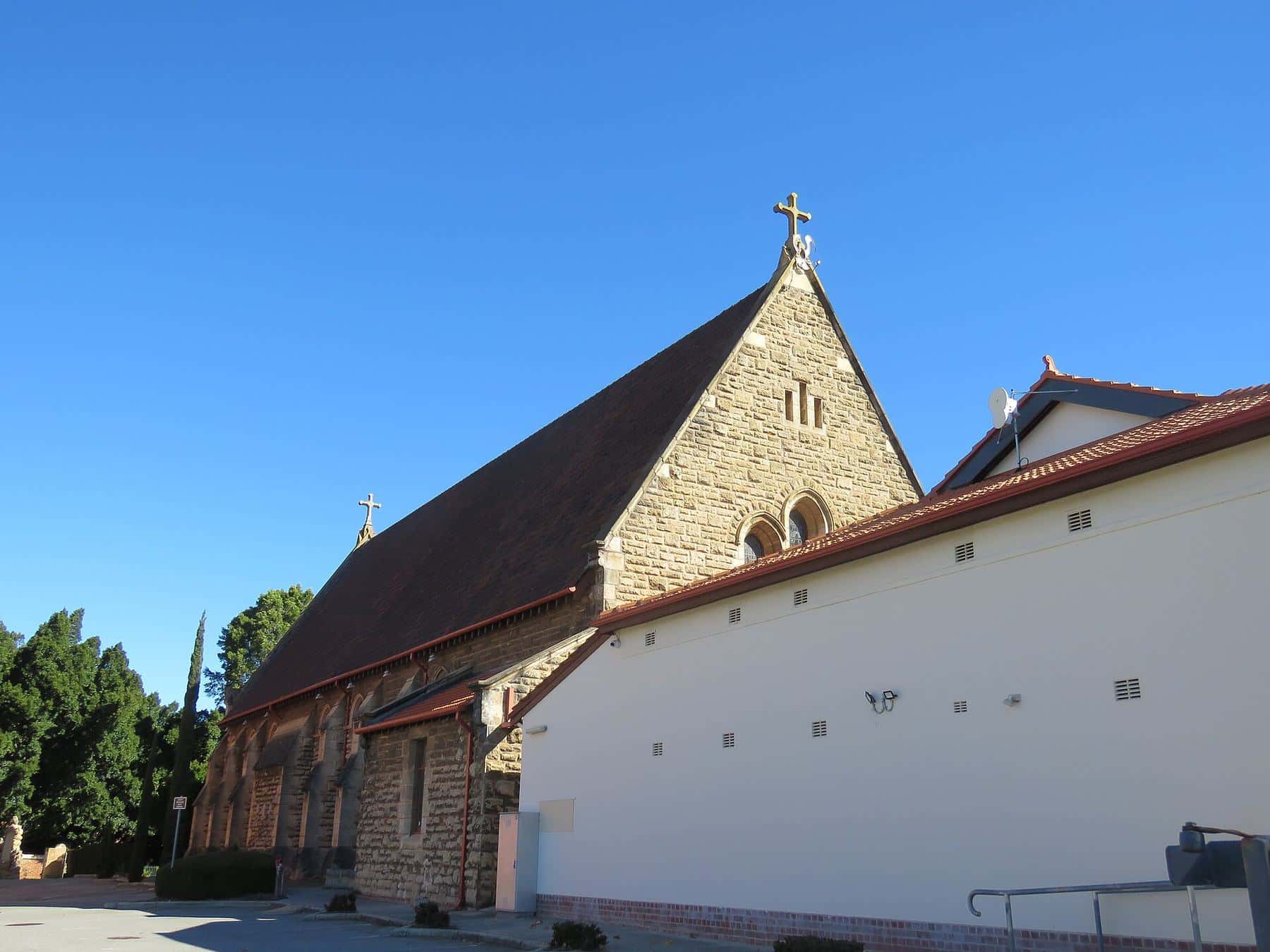
The Anglican St Alban’s Church in Highgate is another landmark of the area’s church architecture. Look for its brickwork and its setting among the surrounding streets.
Mount Lawley
The Alexander Building (1911)
Built by Simon Bremner Alexander as the Broadway Building, with shops below and residences above, it faces the Astor across Beaufort Street.
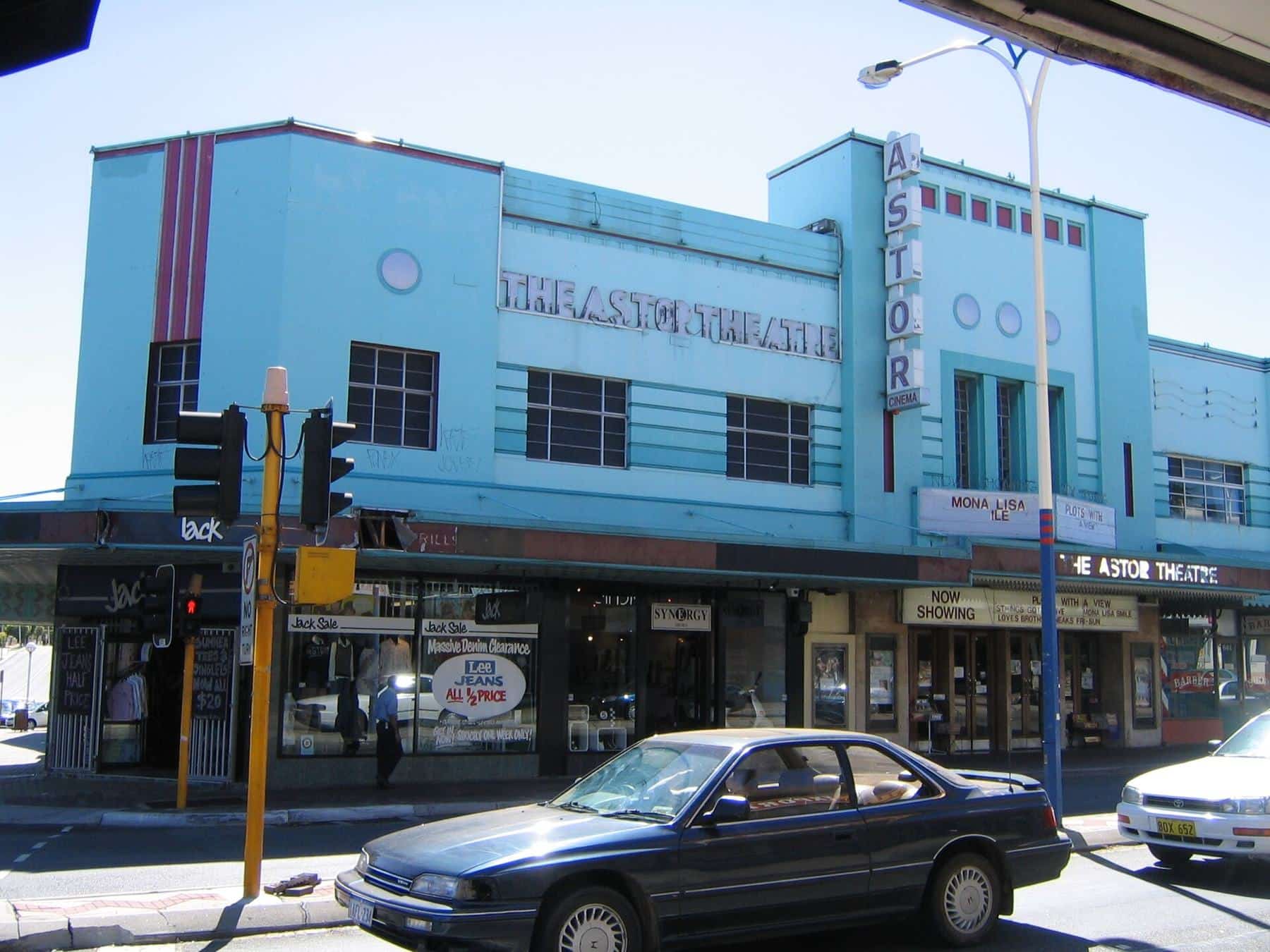
The Astor Theatre (1914–15, remodelled 1939)
Built as the Lyceum, remodelled in Art Deco style in 1939 and renamed the Astor in 1941, it was classified by the National Trust in 1988 and entered on the State Register in 1999. See our Astor guide.
The Clarke Building, 639 Beaufort Street (1934)
Built for William Beattie, who ran a wine saloon, the building later operated as a pub under various names.
Waihemo Flats, 686 Beaufort Street
One of the blocks of 1930s flats that became popular in Mount Lawley in the Inter-War years.
Windsor Hall, 36 Queens Crescent
A short detour from Beaufort Street, Windsor Hall was designed by H. J. Prockter and completed in 1904. The City of Stirling Art and History Collection describes it as one of Mount Lawley’s early stately homes. It was used by the Army as an officers’ club during the Second World War. It is a private property, so view it from the street.
Inglewood
Clock tower
The clock tower at Beaufort Street and Dundas Road is Inglewood’s landmark, visible to northbound traffic.
Inglewood Post Office and the Civic Hotel
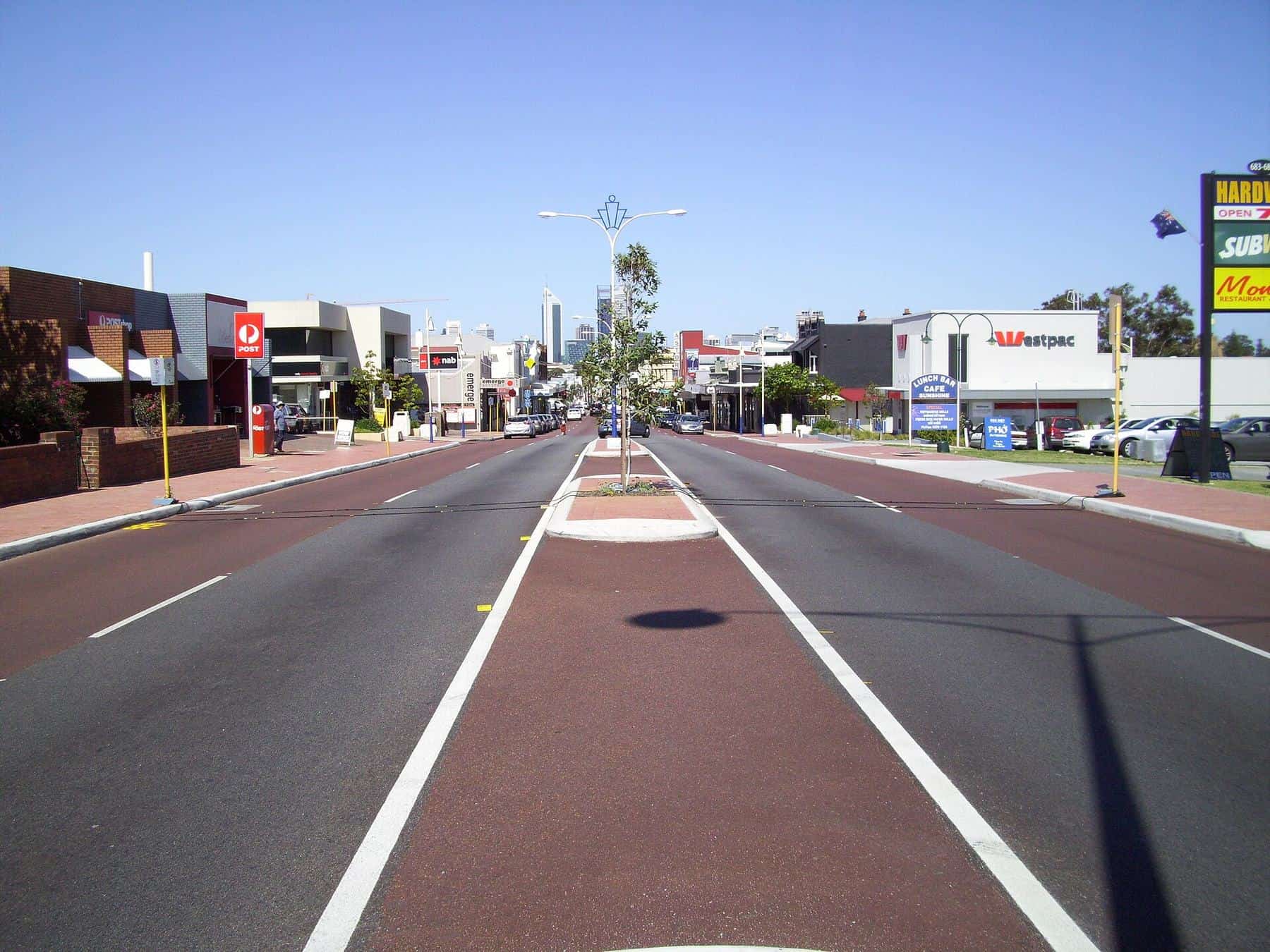
These buildings anchor the Inglewood strip and recall its role as a local centre in the 20th century.
Lost and hidden landmarks
Some of Beaufort Street’s history is no longer visible, or hides in plain sight. The City of Vincent’s histories record:
- the Premier Theatre (1925), on Stirling and Bulwer streets in Highgate, demolished in 1987;
- the Highgate Hill Police Station at 57 Lincoln Street, established in 1897 as the first police station and lockup north of Perth;
- the Art Deco Lincoln Street Ventilation Stack, built in 1941 to vent sewer fumes. During the Second World War it secretly hid a police communications antenna, and it was used as an antenna mast until 1975;
- Turvey Brothers furniture makers at 521–525 Beaufort Street, which operated from 1925 until the late 1960s;
- Hallyburton House (1893) at 49 Walcott Street, nicknamed "the lighthouse";
- the former Forrest Park Methodist Church (1933) at 41 Walcott Street, later converted to other uses.
Spotting details
- Parapets with names and dates of the original owners.
- Pressed metal verandah ceilings and awnings.
- Leadlight and tiled shopfront entries.
- Jarrah fences and joinery, a hallmark of Perth houses.
- Ghost signs, faded painted advertising on side walls.
Heritage spotting checklist
0 of 6 done
Ticks are saved in this browser only.
Styles explained
Victorian and Federation terraces are attached houses with shared walls, usually brick, with verandahs and decorative iron or timber detail. They were an efficient way to house workers close to town in the 1890s.
Federation shops usually have two storeys, with a shop below and a residence above, a decorative parapet hiding the roof, and a verandah or awning over the footpath. Many carry the owner’s name or the date of construction in the parapet.
Federation churches in brick, like Sacred Heart, combine Romanesque and Gothic influences, with towers that act as local landmarks.
Art Deco buildings of the 1930s use vertical fins, stepped parapets, geometric ornament and streamlined lettering. The Astor is the best example on the street.
Inter-War Functionalist buildings, such as the Bowra & O’Dea premises, strip away ornament in favour of horizontal lines, flat roofs and simple forms, anticipating post-war modernism.
Protecting the street’s character
Heritage listing can protect important buildings, but the character of Beaufort Street also depends on the ordinary shops and houses between them. Supporting local businesses that occupy heritage shopfronts, and respecting heritage guidelines when renovating, helps keep the street’s layered history intact.
Researching a building
- Search inHerit (the State Heritage Office database) by address.
- Check the City of Vincent or City of Stirling heritage lists.
- Explore local history collections, including the City of Vincent Local History Centre and the City of Stirling Art and History Collection.
- Search Trove for newspaper articles about a building.
Continue
Follow our walking tour to see these buildings in order.
Frequently asked questions
How can I find out whether a Beaufort Street building is heritage listed?
Search the State Heritage Office’s inHerit database, and check the City of Vincent or City of Stirling local heritage lists.
Can I go inside these buildings?
Most are private homes, shops or businesses. View them from the street unless they are open to the public, such as cafés, pubs, churches during public hours, or the Astor during events.
What architectural styles will I see?
Victorian and Federation terraces and shops, Federation churches and homes, Inter-War Functionalist and Art Deco buildings, and post-war and contemporary infill.
What is the oldest building on Beaufort Street?
Some of the oldest surviving buildings date from the 1890s gold boom, including the 1897 Queens Hotel and the terraces at 235–241 Beaufort Street. Check inHerit for the dates of individual places, as records are updated over time.